


A restful night’s sleep is paramount to well-being, and the bedding we choose plays a significant role in achieving this. Among the essential elements of a comfortable bed, the duvet cover stands out as both a protector and a style statement for your duvet insert. Like a pillowcase safeguards your pillow, a duvet cover shields your duvet from daily wear and tear while allowing you to effortlessly refresh the look of your sleep sanctuary without needing to replace the entire duvet. Selecting the right duvet cover involves considering several factors, each contributing to your overall comfort and the aesthetic appeal of your bedroom. This guide will delve into the key aspects of choosing a duvet cover, from the materials it’s made of to its size and closure type, and will conclude with a curated list of exceptional duvet covers to consider.
The material of a duvet cover is a fundamental aspect that dictates its feel against your skin, its ability to regulate temperature, and its overall durability. Opting for a material that aligns with your personal preferences and the climate you live in can significantly enhance your sleep quality.
Cotton is a time-honored and widely favored choice for duvet covers due to its inherent breathability, natural softness, and robust nature. Its ease of cleaning, typically involving machine washing, adds to its practicality. Within the realm of cotton, different weaves offer distinct characteristics. Percale, with its one-over, one-under weave, is known for its crisp and cool feel, often likened to the luxurious linens found in high-end hotels. This breathability makes it a superb option for individuals who tend to sleep hot or for use during warmer seasons. While generally considered less prone to wrinkling than some fabrics , percale can still exhibit wrinkles. Sateen, in contrast, boasts a smooth, almost silky touch and a subtle sheen, courtesy of its three-over, one-under weave. This weave results in a denser fabric that tends to be warmer than percale, making it a comforting choice for cooler temperatures or those who prefer a snug feel. Sateen’s elegant drape and smooth surface can also offer some resistance to wrinkles. Jersey knit cotton provides a soft, familiar feel akin to a favorite t-shirt, coupled with inherent wrinkle resistance, lending a relaxed and easy-care option. Its casual appeal makes it a comfortable choice for everyday use. For ultimate warmth, flannel cotton, with its signature fuzzy texture, excels at trapping body heat, making it an ideal companion for cold winter nights.
Beyond cotton, linen stands out for its exceptional breathability, a result of its naturally hollow fibers. Its durability ensures longevity, and its tendency to become softer with each wash enhances its comfort over time. Its moisture-wicking properties further contribute to a comfortable sleep. While linen is known for its characteristic wrinkles, these are often embraced as part of its relaxed and effortlessly chic aesthetic. Furthermore, linen is often considered an eco-conscious choice due to the reduced water and pesticide use in its production.
Bamboo-derived fabrics are lauded for their exceptional smoothness and softness, coupled with excellent moisture-wicking and temperature-regulating abilities. These qualities make bamboo a superb option for hot sleepers and individuals with allergies or sensitive skin. As a fast-growing resource, bamboo is also often viewed as a sustainable material. Tencel, also known as Lyocell, is another eco-friendly option, often derived from eucalyptus or other wood pulp. It offers a silky smooth texture, excellent breathability, and significant moisture-wicking capabilities. Its lustrous drape adds to its appeal, and it’s known for being gentle on the skin. Silk, a luxurious natural fiber, provides a smooth satin feel, natural hypoallergenic properties, and good temperature regulation. However, its delicate nature often necessitates dry cleaning, and it typically comes with a higher price tag, making it a less practical choice for everyday use for some. Polyester, a synthetic fiber, is appreciated for its high durability, resistance to wrinkles and shrinking, and affordability. However, its breathability is lower compared to natural fibers, which might lead to discomfort for hot sleepers. Fabric blends, such as cotton-polyester or bamboo-cotton, aim to harness the advantages of each component material, offering a balance of comfort, durability, and cost-effectiveness. For instance, cotton-polyester blends often exhibit increased resistance to fading and wrinkles.
In addition to the type of material, the weave of the fabric significantly influences its feel and performance. As discussed, percale and sateen are common weaves with distinct characteristics. Jersey knit and flannel represent other weave types that contribute to the unique texture and warmth of the fabric. Thread count, which refers to the number of threads woven into one square inch of fabric, is often considered an indicator of quality. However, the quality of the fibers themselves, such as the use of long-staple cotton, and the overall construction of the fabric are equally, if not more, important. Sometimes, a lower thread count fabric made from superior quality materials can offer better softness and longevity than a high thread count fabric made from inferior fibers. Ultimately, selecting the ideal duvet cover material involves a thoughtful consideration of personal preferences, seasonal needs, and the desired balance between breathability, softness, durability, and ease of care.
Ensuring the duvet cover fits your duvet insert and mattress correctly is crucial for both comfort and the visual harmony of your bed. Duvet covers are designed to drape gracefully over the sides of the bed. The following table provides a general guide to standard duvet cover dimensions for common mattress sizes. Please note that slight variations may occur between different brands.
| Mattress Size | Duvet Cover Dimensions (Inches) | Duvet Cover Dimensions (Centimeters) |
| Twin | 64 x 86 | 162 x 220 |
| Twin XL | 66-68 x 88-90 | 168-173 x 224-229 |
| Full/Double | 80-90 x 89-94 | 203-229 x 226-239 |
| Queen | 88-90 x 90-94 | 224-229 x 229-239 |
| King | 104-90 to 94 | 264-230 to 239 |
| California King | 104 x 100 | 264 x 254 |
| Oversized Queen | 98 x 96 | 249 x 244 |
| Oversized King | 116 x 96 | 295 x 244 |
The term “drop” or overhang refers to how much the duvet cover extends beyond the edges of the mattress. The desired amount of drop is largely a matter of personal preference and can also be influenced by the height of your bed. Some individuals prefer a minimal overhang, while others opt for a more generous drop for a fuller, more luxurious appearance or for added warmth. To ensure the best fit, it is advisable to measure your mattress’s width and length and compare these measurements with the duvet cover’s dimensions, as sizing can differ slightly across brands. Additionally, the thickness or loft of your duvet insert should be taken into account; a thicker insert might require a duvet cover with slightly larger dimensions to prevent it from feeling compressed. Maintaining compatibility between your duvet cover and duvet insert is essential to prevent the insert from shifting or bunching up inside, which can lead to uneven warmth and an untidy look.
Duvet covers feature various types of closures designed to keep the duvet insert securely inside. Button closures are a traditional and often aesthetically pleasing choice. These can be visible, adding a decorative touch, or hidden for a cleaner, more seamless look. The advantages of button closures include the durability of good quality buttons and the ease of replacing a broken one. However, fastening buttons can be time-consuming, and gaps may occur if they are spaced too far apart. There’s also a possibility of buttons coming undone during sleep or washing if they are not securely fastened. Zipper closures offer a modern, sleek, and highly secure method of sealing the duvet inside the cover. They are quick and easy to use and effectively prevent the duvet from slipping out. Potential drawbacks include the risk of snagging the fabric and the possibility of the zipper breaking or jamming over time. Tie closures utilize fabric ties to secure the duvet, allowing for an adjustable fit and potentially adding a decorative element. However, the ties can sometimes come undone during washing or while sleeping, and they might not offer the same level of security as buttons or zippers. Envelope closures feature overlapping fabric at one end, creating a pocket-like opening to insert the duvet. This type of closure requires no hardware and simplifies the process of inserting and removing the duvet. However, it might not be as secure as other options, potentially leading to the duvet shifting inside. Snap closures use press studs to fasten the duvet cover, providing a quick and relatively quiet alternative. They are known for their quiet operation and the durability of the snaps. A potential disadvantage is that the snaps might pop open if the duvet cover is pulled or tugged forcefully, and they can sometimes create slight bumps under the fabric. Less common closure types include Velcro, flap closures, tucked closures, and bottleneck closures, each with their own set of advantages and disadvantages. The optimal choice of closure ultimately depends on your personal preferences regarding ease of use, the level of security desired, and aesthetic considerations.
Choosing a duvet cover is a personal journey, and to aid you in this process, here is a curated list of ten exceptional duvet covers that stand out for their quality, comfort, and style:
- Brooklinen Classic Percale Duvet Cover: Crafted from 100% long-staple cotton with a crisp percale weave, this duvet cover is a favorite for its cool and breathable feel, making it ideal for hot sleepers. Its 270 thread count offers a smooth yet lightweight texture. It features secure button closures and interior corner ties to keep your duvet insert firmly in place. Many users appreciate its classic hotel-sheet feel. While its crispness is a major draw, some may find it more prone to wrinkling compared to other materials.

- Parachute Linen Duvet Cover: Made from 100% European flax, this duvet cover is celebrated for its breathability and its luxurious yet relaxed aesthetic. The linen becomes increasingly soft with each wash, promising long-lasting comfort. It includes twill ties in all four corners to secure the duvet insert. While linen is known for its wrinkles, many appreciate this as part of its natural charm.

- Quince European Linen Duvet Cover: This duvet cover offers the exceptional quality and breathability of European linen at an accessible price point. Known for its softness and durability, it gets even better with time. It typically features button closures and corner ties. Its relaxed look and feel make it a versatile choice for various bedroom styles.

- Bedsure Boho Duvet Cover: For those seeking a budget-friendly yet stylish option, the Bedsure Boho Duvet Cover is a popular choice. Made from soft microfiber, it offers a comfortable feel and often features an eye-catching textured design that adds visual interest to the bed. It usually comes with a convenient zipper closure. While microfiber is known for its affordability and wrinkle resistance, it may not be as breathable as natural fibers for some sleepers.

- Sunday Citizen Snug Bamboo Duvet Cover: This duvet cover is designed for ultimate coziness, often featuring a supremely soft and plush microfiber surface, although some variations might incorporate bamboo. It’s known for being heavyweight and thick, effectively trapping heat, making it an excellent choice for cold nights or individuals who tend to feel cold. It typically has a zipper closure for easy use.

- Sijo AiryWeight Eucalyptus Duvet Cover: If staying cool throughout the night is a priority, the Sijo AiryWeight Eucalyptus Duvet Cover is a top contender. Made from Tencel derived from eucalyptus, it’s exceptionally light, airy, and breathable. Its moisture-wicking and hypoallergenic properties further enhance its appeal for hot sleepers and allergy sufferers. It often features eight interior ties and a button closure to keep the duvet secure.
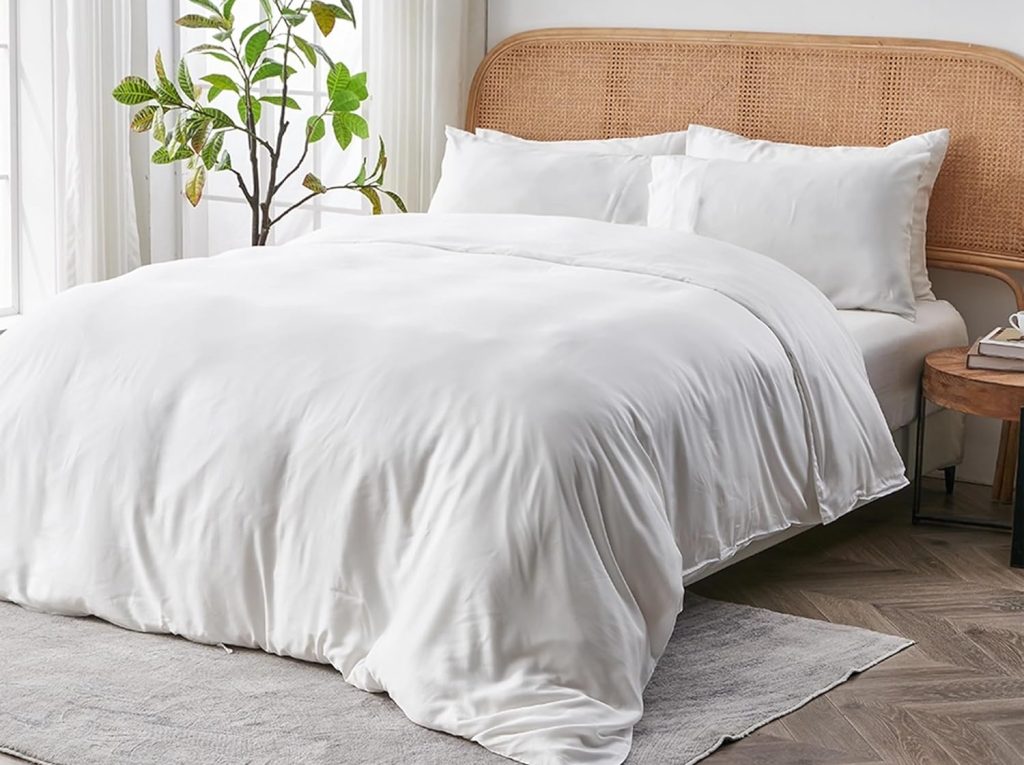
- L.L.Bean Pima Cotton Percale Comforter Cover Collection: This collection offers duvet covers made from soft, high-quality pima cotton with a smooth percale weave. Known for its medium-weight thickness and durability, it provides a comfortable and breathable sleep experience. It typically features button closures and is designed to hold the duvet insert securely. The quality of the pima cotton ensures a soft feel that lasts.

- Saatva Organic Sateen Duvet Cover Set: For a touch of luxury with an eco-conscious approach, the Saatva Organic Sateen Duvet Cover Set is an excellent choice. Made from 100% organic long-staple cotton with a silky-soft sateen weave and a 300 thread count, it offers a luxurious feel against the skin while remaining breathable. It is also Fair Trade Certified, ensuring ethical production. The set includes a duvet cover with a hidden zipper closure and matching shams.

- Buffy Breeze Duvet Cover: Designed specifically to complement the Buffy Breeze Comforter, this duvet cover is made from 100% eucalyptus lyocell, known for its exceptional softness and cooling properties. Its smooth texture is gentle on the skin and hair, and it helps regulate temperature to prevent overheating. It features corner ties to keep the comforter in place and often uses plant-based button closures.

- Parachute Sateen Duvet Cover: Offering a lustrous sheen and a heavier weight than percale, the Parachute Sateen Duvet Cover is made from soft long-staple Egyptian cotton. It provides a buttery-soft feel and a luxurious drape, making it a great option for those who prefer a smoother, warmer duvet cover. It features a durable wooden button closure and interior ties. While sateen is generally warm, this cover is noted for its cool-to-the-touch feel due to the breathable nature of the cotton fibers.

Beyond the fundamental aspects of material, size, and closure, several additional factors can refine your duvet cover selection. The color, pattern, and texture of the duvet cover play a significant role in the overall style and ambiance of your bedroom. Choosing designs that harmonize with your existing decor and evoke your desired mood is key. Consider having different duvet covers to match changing seasons or to simply refresh your room’s aesthetic. Interior corner ties, also known as duvet ties, are an often-overlooked yet crucial feature that prevents the duvet insert from shifting and bunching inside the cover, ensuring consistent warmth and a neat appearance. When selecting a duvet cover, it’s wise to check for the inclusion of these ties. For environmentally conscious consumers, there is an increasing array of eco-friendly duvet cover options crafted from sustainable materials such as organic cotton, linen, bamboo, and recycled fibers. Certifications like GOTS (Global Organic Textile Standard) or OEKO-TEX Standard 100 can provide assurance of environmentally and socially responsible production practices.
In conclusion, selecting the perfect duvet cover involves a thoughtful consideration of your material preferences, ensuring the correct size for your duvet and bed, choosing a closure type that suits your needs, and considering the style and any additional features that enhance your comfort and the look of your bedroom. The “best” duvet cover is ultimately a subjective choice that hinges on your individual priorities and preferences. By carefully evaluating these key factors, you can confidently embark on your journey to find a duvet cover that promises not only a comfortable and restful night’s sleep but also elevates the style of your personal sleep sanctuary.


