


Window curtains possess a remarkable ability to transform a room, influencing not only its visual appeal but also its functionality. Selecting the right curtains can significantly enhance the ambiance, control the influx of natural light, ensure privacy, and complement the overall décor. This guide provides a comprehensive overview of the key factors to consider when choosing window curtains, followed by a curated list of top recommendations available now.
Decoding Curtain Choices: Key Factors to Consider
Choosing the right window curtains involves a thoughtful consideration of several interconnected factors. These include the desired level of light control and privacy, the overall style and design of the room, the type and texture of the fabric, the impact of color and pattern, the appropriate length and size, and the functionality of different header styles.
A. Light Control and Privacy: Finding the Right Balance
The amount of light entering a room and the level of privacy desired are primary considerations when selecting curtains. Curtains offer varying degrees of opacity, ranging from sheer to blackout, each serving different purposes. Sheer curtains, often made from light and airy fabrics like linen, allow a significant amount of natural light to filter through while providing a minimal level of privacy. They can create a soft and bright atmosphere, making them suitable for living rooms or spaces where complete privacy is not a concern.
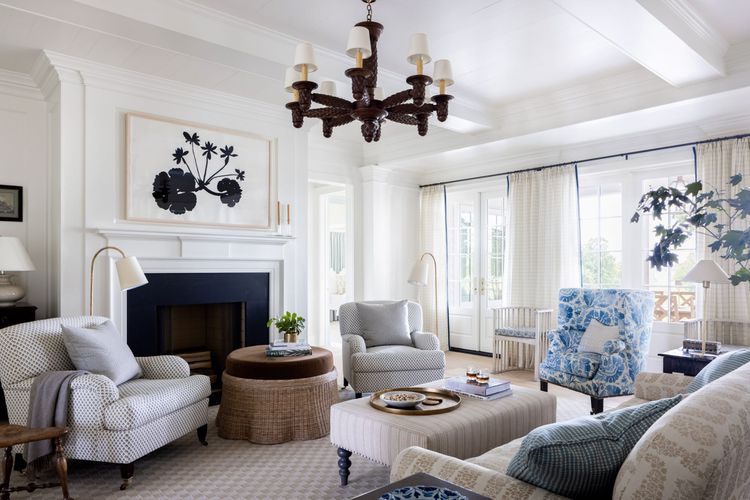
Semi-sheer curtains offer a slightly increased level of privacy while still allowing ample light to enter. These can be a good compromise for spaces where some privacy is needed without sacrificing natural illumination. Room darkening curtains are designed to block a substantial amount of light, making them ideal for bedrooms or media rooms where reducing glare is important.
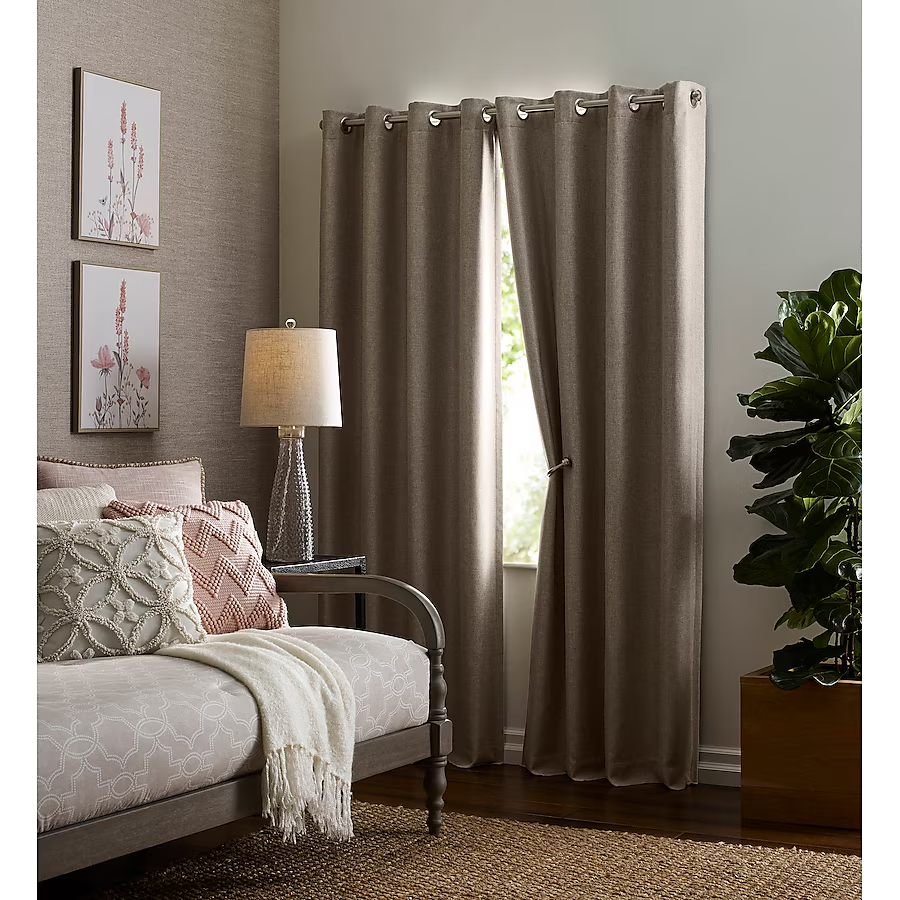
For spaces requiring maximum darkness, such as bedrooms or home theaters, blackout curtains are the optimal choice. These curtains are made with tightly woven, opaque fabrics or feature a special blackout lining that prevents nearly all light from passing through. The amount of light a room receives is an important factor in determining the necessary opacity of the curtains. Rooms with high light exposure may benefit from blackout lining, while rooms with moderate light can often use a basic cotton lining.
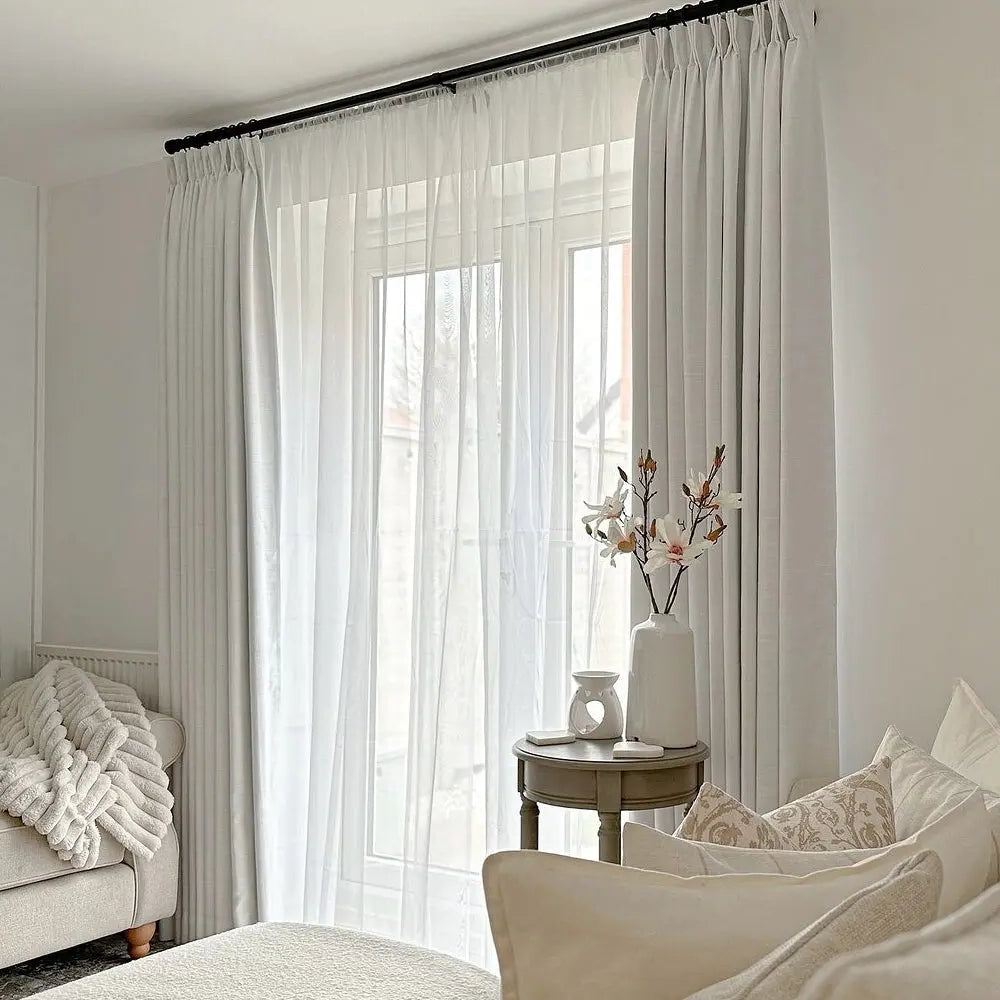
Layering curtains offers a versatile solution for managing both light and privacy. By combining a layer of sheer curtains with a layer of blackout curtains on a double rod, one can adjust the level of light and privacy as needed throughout the day. This approach allows for soft, diffused light during the day while providing complete darkness and privacy at night. This trend towards adaptable window treatments reflects the desire for multi-functional living spaces.
Cafe curtains, which typically hang from the mid-section of the window to the sill, offer a solution for partial privacy. These are particularly popular in kitchens and bathrooms, allowing natural light to enter the upper portion of the window while providing privacy for the lower part. The increasing popularity of cafe curtains in these areas indicates a preference for privacy without completely blocking daylight. 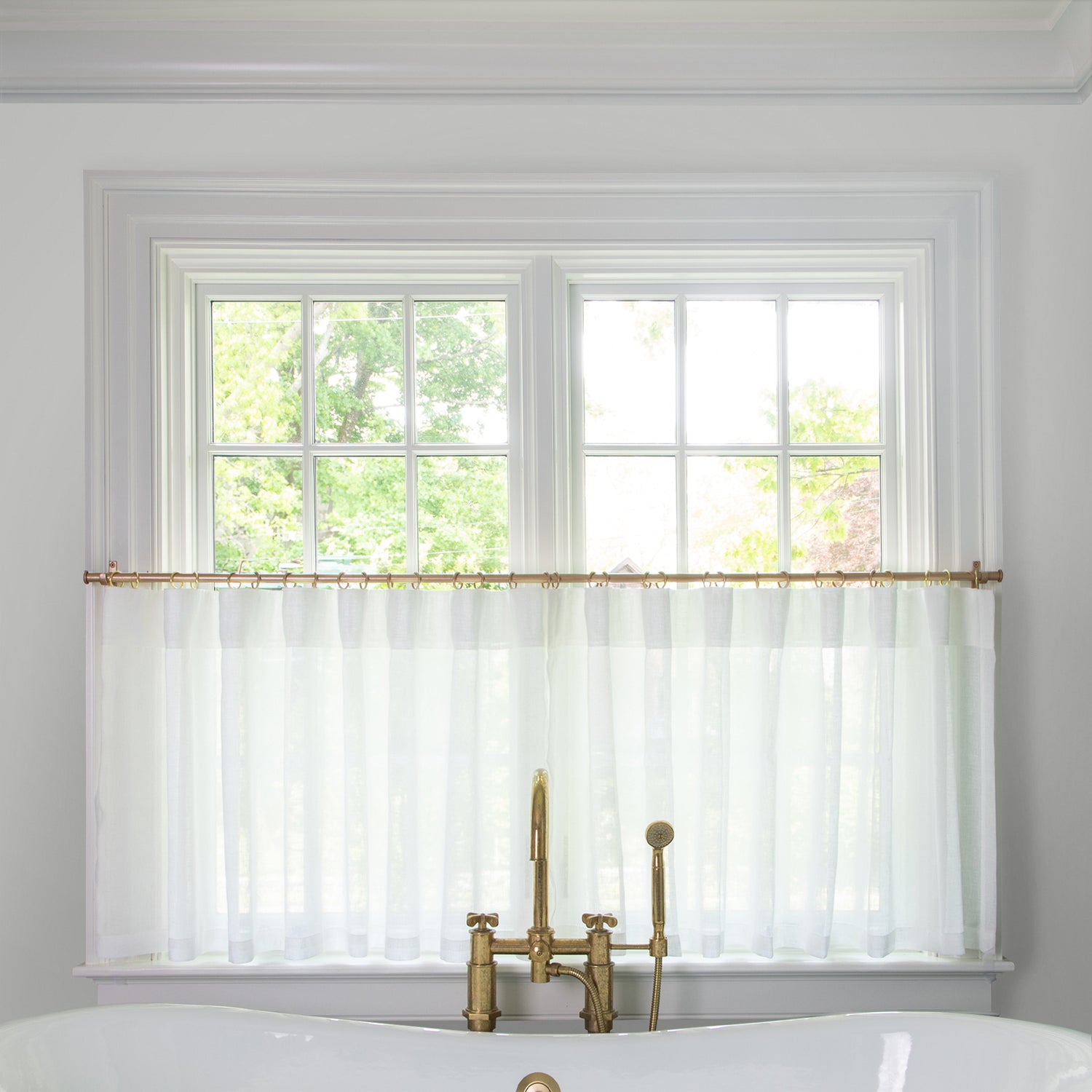
Achieving a true 100% blackout effect might necessitate pairing lined blackout curtains with another window treatment inside the frame, highlighting that a single layer of fabric may not always be sufficient in certain situations.
B. Style and Design: Matching Curtains to Your Interior Décor
The style and design of the chosen curtains should harmonize with the overall aesthetic of the room. Different interior design styles lend themselves to specific curtain choices. Modern spaces often feature curtains with clean lines, solid colors, or subtle geometric patterns. 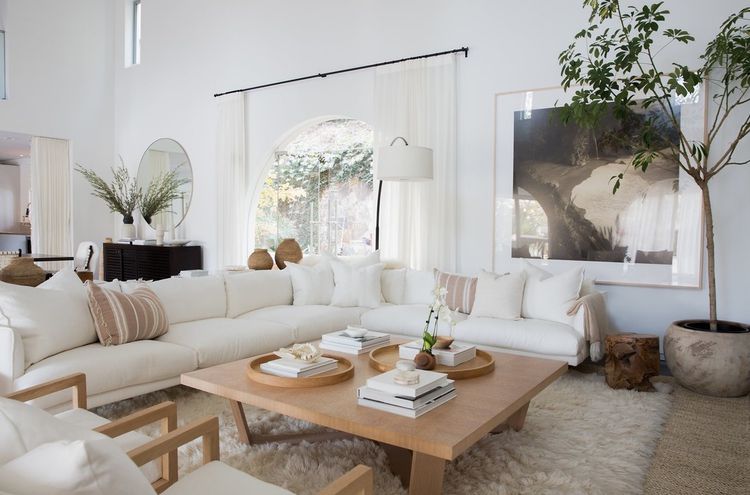
Traditional décor typically pairs well with rich fabrics, classic patterns like damask or floral prints, and pleated header styles. Envision a formal dining room with elegant pinch pleat curtains in a damask fabric. Rustic interiors often incorporate natural fabrics, earthy tones, and simple designs, such as tab-top curtains in linen or cotton. 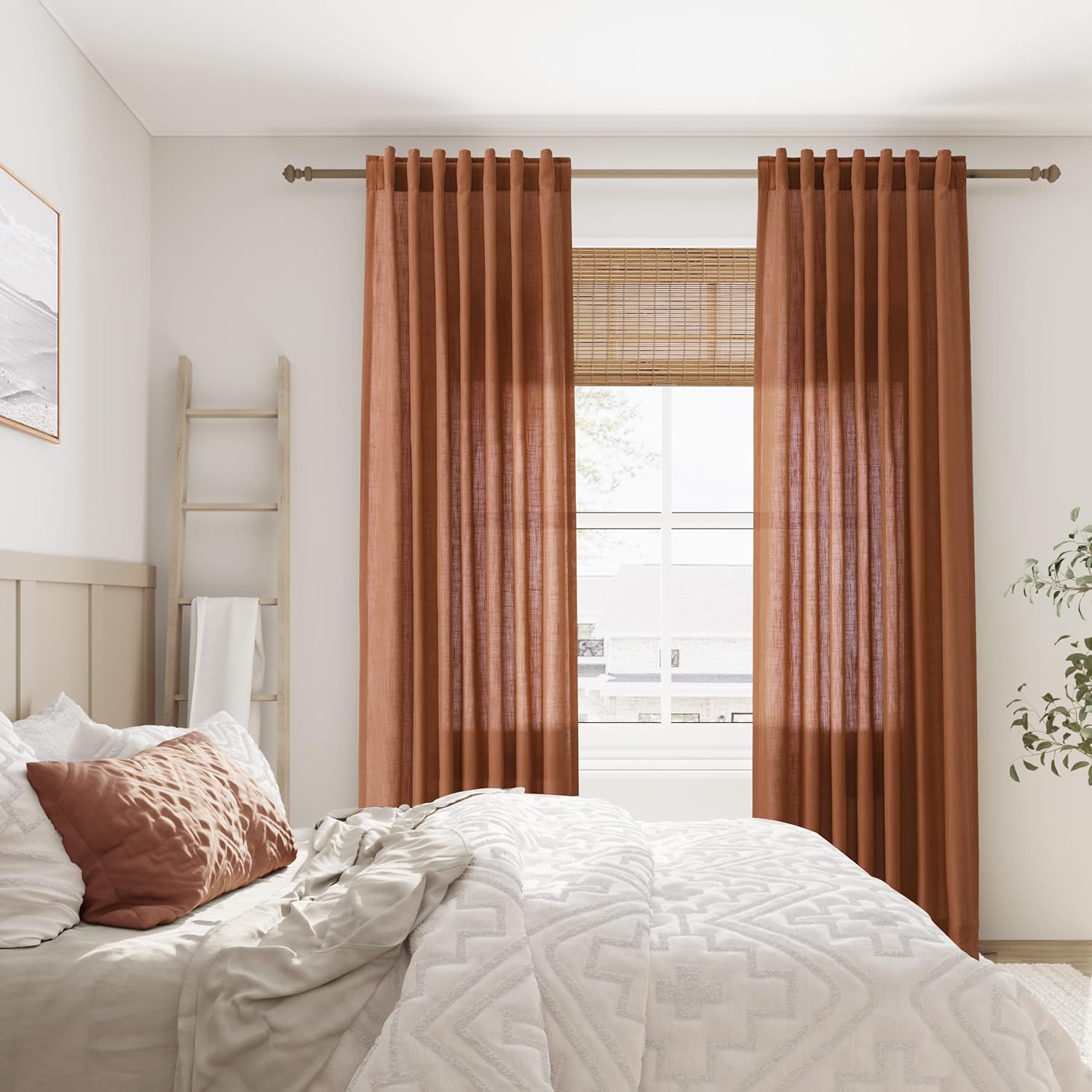
Bohemian styles embrace bold patterns, vibrant colors, and eclectic mixes, allowing for more adventurous curtain choices.
The formality of a space should guide the selection of curtain style, pattern, and fabric. More formal living areas might be better suited to richer patterns, silk or stiff fabrics in darker jewel tones, while casual spaces can accommodate simpler patterns, natural textures, and brighter colors. This suggests that the intended use of the room should influence the curtain selection. Consider a home office; depending on the desired atmosphere, one might choose tailored pencil pleat curtains for a professional look or relaxed tab-top curtains for a more casual feel.
The choice between single panel and panel pair curtains can also impact the visual appeal and functionality. Panel pairs, sold in twos, offer symmetry and better coverage for larger windows, allowing curtains to be placed on both sides of the window and drawn together in the middle. Single panels are designed to cover an entire window and be pulled to one side when opened, often creating a chic, modern look or serving as a necessity for certain window or room configurations. The number of panels used affects both the aesthetic balance and the ability to fully cover the window for privacy and light control. 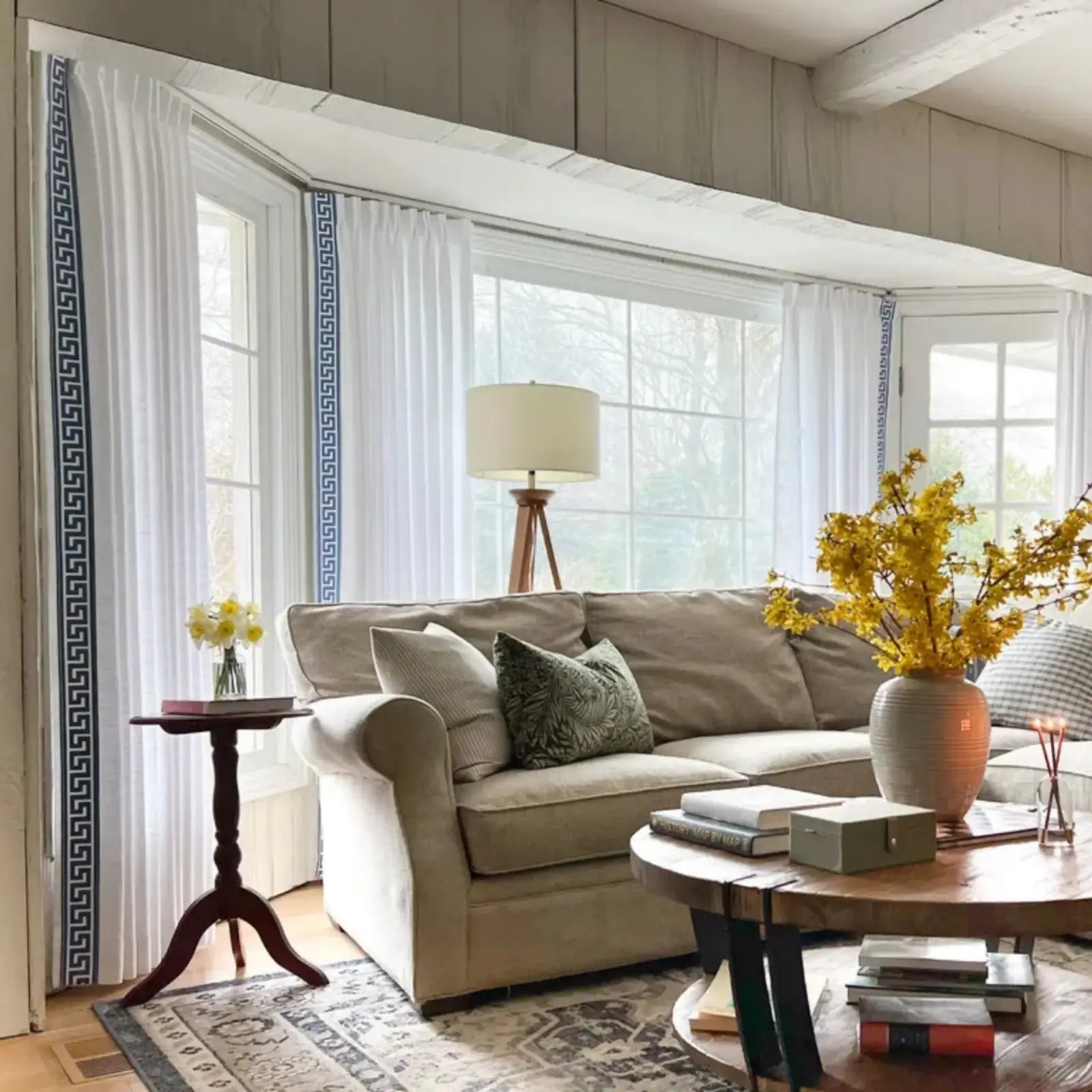
C. Fabric and Texture: Setting the Mood and Practicality
The choice of fabric significantly influences the mood of a room and the practical functions of the curtains. Common curtain fabrics include linen, known for its breathability and natural look ; cotton, a durable and versatile option ; luxurious velvet, which offers excellent light blocking and sound dampening ; practical polyester, often easy to maintain ; and elegant silk, which provides a subtle sheen. Fabric blends can offer a combination of desirable properties from different fibers.
The fabric choice directly affects the curtain’s ability to block light, provide insulation against heat and cold, dampen sound, and drape gracefully. Heavier fabrics like velvet and chenille are effective at blocking light and lend a luxurious feel, while lighter fabrics like cotton and poly blends are durable and easy to care for. Natural fibers such as cotton and linen tend to hang better and look more refined than synthetics like polyester. The selection of fabric is a critical decision that requires balancing the desired aesthetic with practical considerations like light control and maintenance. 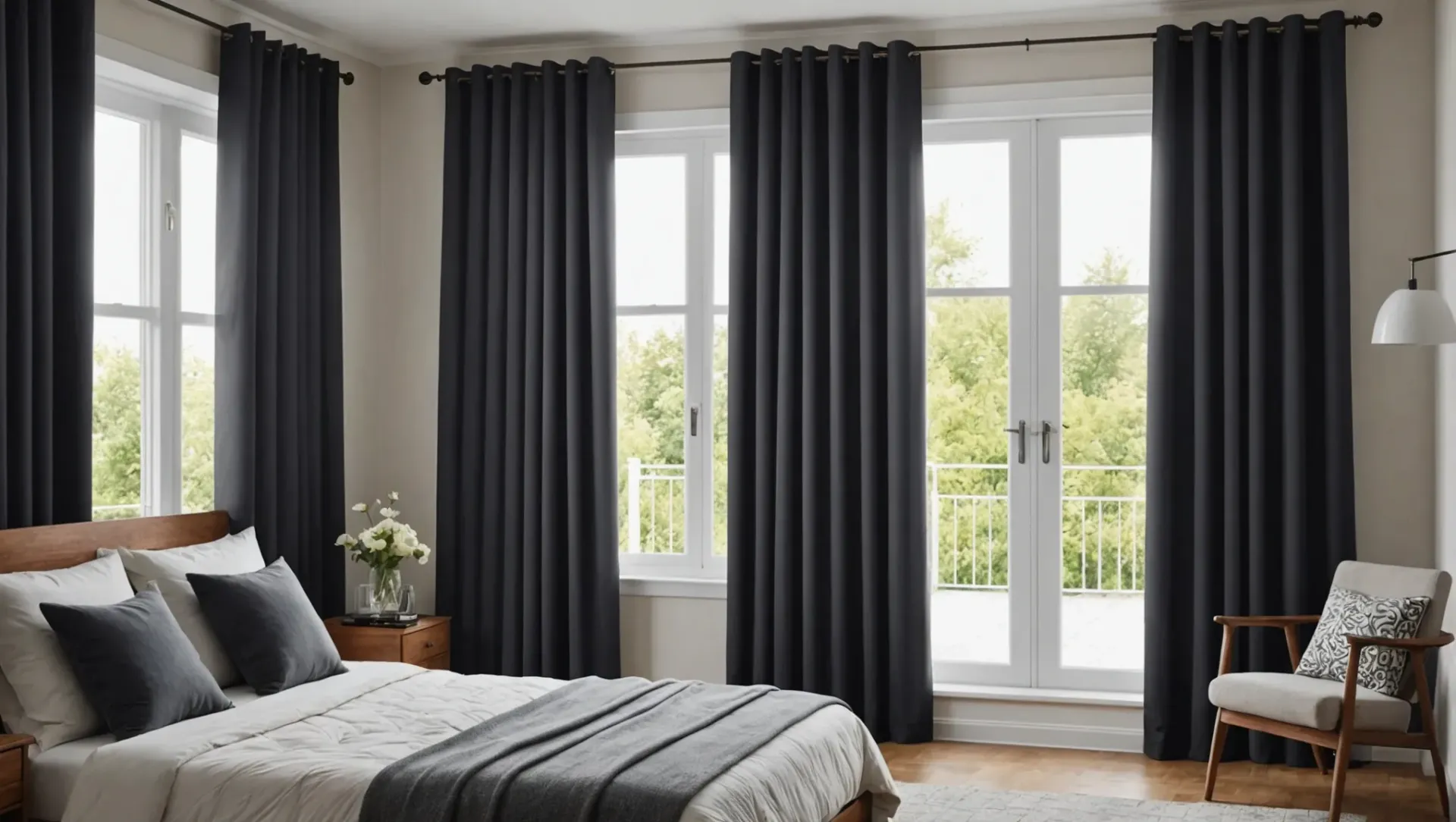
Texture also plays a vital role in complementing existing furnishings and adding dimension and warmth to a space. A textured fabric can add visual interest even in a solid color, contributing to the overall cohesive look of the room. 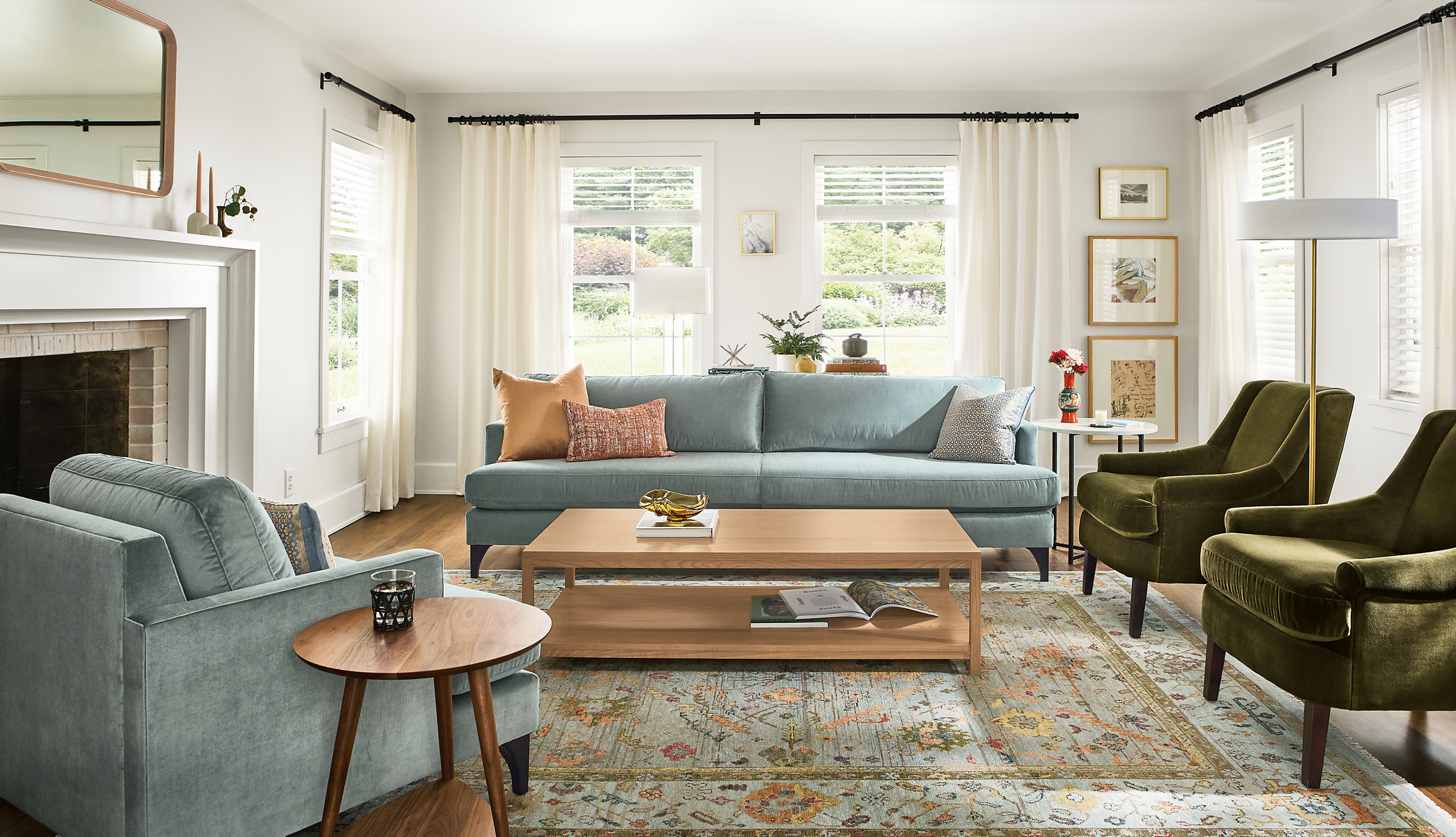 .
.
D. Color and Pattern: Making a Visual Statement
Color and pattern are powerful tools for creating a specific mood and visual statement in a room. Light-colored curtains can make a room feel brighter and more open, while darker colors can add coziness but may make a space feel smaller. Cool colors like blue, green, and purple generally create a more soothing atmosphere, often suitable for bedrooms, whereas warmer hues of orange, yellow, and red can inject energy into more social spaces.
When choosing patterns, the scale and size of the pattern should be proportional to the room and its furnishings. Large patterns work well in spacious areas, while smaller patterns can add detail without overwhelming a smaller room. Coordinating the curtain color with the room’s existing color scheme can create a classic and harmonious look. This can involve a straightforward monochrome approach or a more intricate coordination with patterned wallpaper or upholstery. 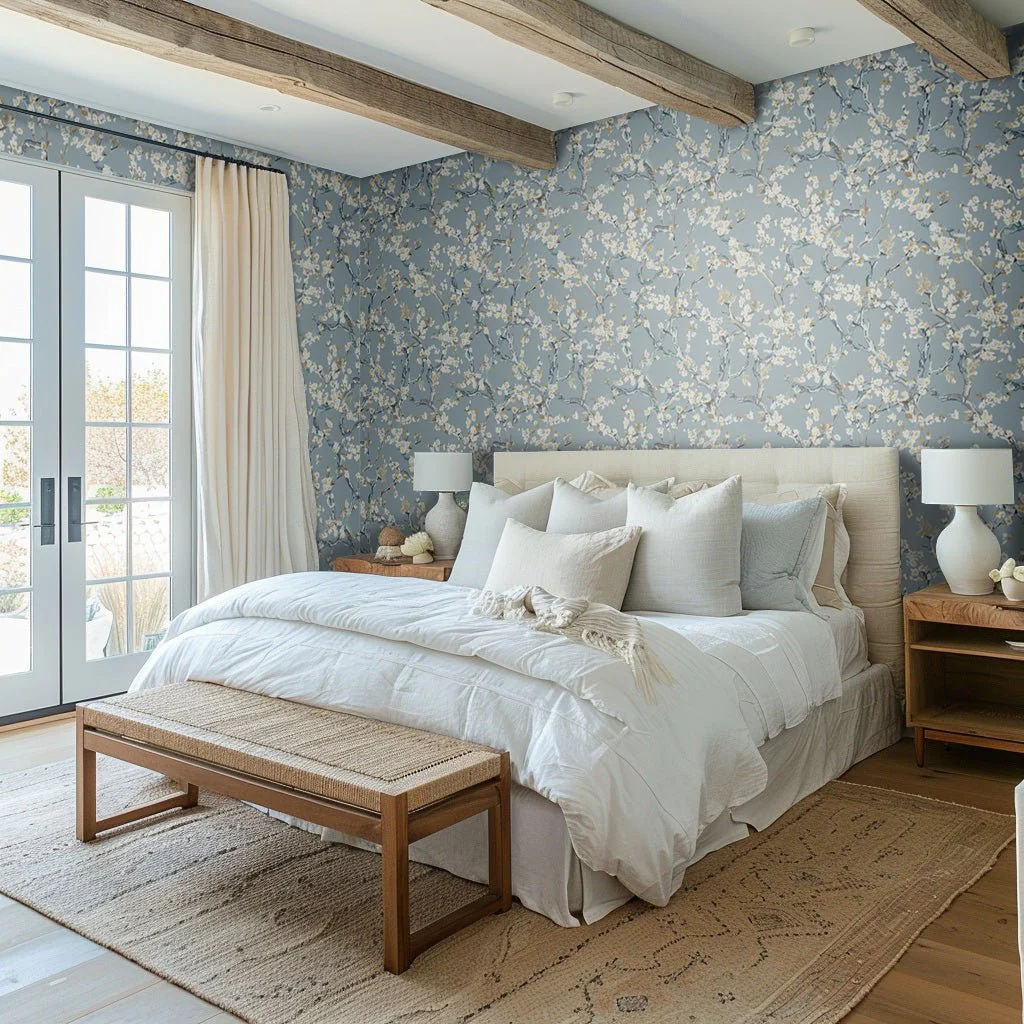 For a timeless look, consider matching curtains to the room’s color scheme.
The size of the pattern should align with the scale of the room and its contents. For instance, large patterns can dominate small spaces, while small patterns might get lost in larger rooms. Current trends include understated nature prints like simple branches and leaves, diagonal patterns like twill and tweed, and rustic cottage-inspired florals. Geometric patterns, ranging from stripes and checks to more intricate designs, are also popular for creating a contemporary look.
E. Length and Size: Achieving the Perfect Drape
The length and size of curtains significantly impact the overall look and feel of a room. Different curtain lengths include floor-length, which extends to the floor for a sleek and elegant appearance ; sill-length, which ends at the windowsill, often suitable for windows above furniture ; apron-length, extending a few inches below the sill, ideal for smaller windows ; and puddle length, where the curtains extend several inches onto the floor, creating a relaxed and romantic effect. A one-inch break, where the curtains slightly touch the floor, offers a high-end designer feel without being overly formal. Curtains that hover just above the floor provide a clean and elegant look, making opening and closing them easy.
Hanging curtains higher above the window frame can create the illusion of taller ceilings and larger windows. This design trick is particularly useful in smaller spaces. Imagine a room with standard ceiling height where floor-to-ceiling curtains hung from just below the ceiling line visually elongate the walls. As a general rule, materials like cotton and linen tend to hang better and look better than synthetics. Standard curtain lengths, such as 84”, 96”, and 108”, cater to common ceiling heights, simplifying the selection process. For 8-foot ceilings, 96” curtains are often a good choice, and longer lengths are suitable for taller ceilings. Accurate measurement of the window and ceiling height is crucial before purchasing curtains to ensure the desired drape is achieved. Curtains for doorways should ideally end slightly above the floor to prevent a tripping hazard.
F. Header Styles: Understanding Different Hanging Options
The header style of a curtain refers to how the top of the fabric is finished and attached to the curtain rod, significantly influencing how the curtains hang and fold. Different header styles create distinct visual effects, allowing for customization of the room’s aesthetic.
Grommet curtains feature metal rings inserted into the top of the fabric, creating clean, uniform folds and a modern look. They are easy to slide open and closed. Rod pocket curtains have a sewn-in pocket at the top through which the curtain rod is inserted, creating a gathered look and concealing the rod for a more casual style. Pinch pleat curtains have pleats that are pinched and sewn at the top, resulting in elegant, tailored folds that flow down the length of the fabric, offering a traditional and formal appearance. Box pleat curtains have deep, uninterrupted folds running across the entire length, providing full coverage with a tailored and formal look. Goblet pleat curtains resemble the shape of a goblet at the top, creating a decorative and formal look suitable for stationary panels. Pencil pleat curtains have thin, tight folds resembling a row of pencils, offering versatility in terms of fullness and hanging options, suitable for both casual and formal settings. Tab top curtains feature loops or tabs sewn at the top through which the rod is threaded, creating a casual, farmhouse, or cottage look. Back tab curtains have hidden loops on the back, creating a neat, wavy look and concealing the hardware. Ripple fold drapery hangs in continuous, soft S-curves, offering a sleek and modern aesthetic. The choice of header style should complement the room’s décor and the desired level of formality.
A Step-by-Step Guide to Selecting Your Ideal Curtains
Choosing the perfect window curtains involves a systematic approach, starting with accurate measurements and progressing through fabric and style selection.
A. Measuring Your Windows Like a Pro
Accurate window measurements are essential for ensuring your curtains fit properly and achieve the desired look. To measure the window width, use a tape measure to determine the distance across the top of the window frame. For proper fullness, it is recommended to add at least 6 inches to each side of the window width. Some guidelines suggest adding 1.5 to 2 times the width of the window for adequate fullness, depending on the desired look and fabric. 
To measure the window height, determine where you want the curtains to start and end. For floor-length curtains, measure from the top of the curtain rod (or where you plan to install it) to the floor. Consider placing the curtain rod 4 to 6 inches above the window frame to create a taller look. For sill-length curtains, measure from the top of the rod to the bottom of the windowsill, or about 4 inches below it. For doorway curtains, the length should be measured from the rod placement to slightly above the floor to avoid a tripping hazard. 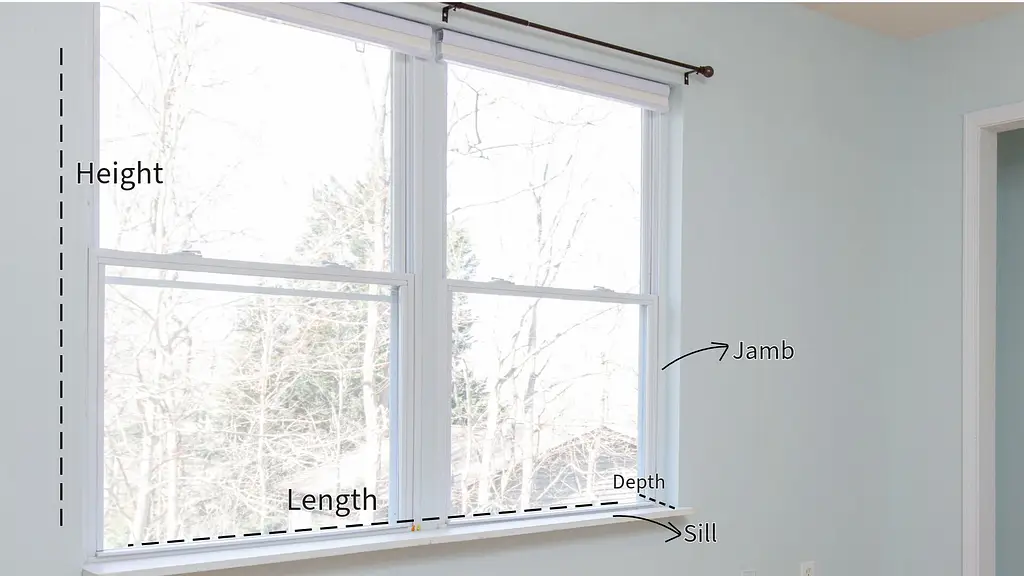 For arch windows, a shorter curtain rod hung just below the arch can showcase the window’s details and allow more natural light.
B. Determining the Right Curtain Panel Width and Length
The total width of your curtain panels should be sufficient to create a look of fullness when the curtains are closed or drawn to the sides. Insufficient width can result in a flat and stretched appearance. As a general guideline, the combined width of the curtain panels should be at least double the width of the window. For a more luxurious and full look, consider using panels with a total width that is two and a half to three times the window width. This allows the fabric to fold comfortably and create soft pleats.
Standard curtain panel widths are often around 54 inches. Depending on your window width and desired fullness, you may need one panel on each side of the window (panel pair) or multiple panels. Even if you don’t plan to close the curtains often, having enough width ensures they look proportional when open, with visible folding.
Selecting the correct curtain length depends on the desired style and the measurements taken. Standard ready-made curtain lengths (84”, 96”, 108”) can fit most windows, but hemming may be required for a perfect fit, especially with 8-foot ceilings where 96” curtains are often used. For a high-end, tailored look, the curtains should just touch the floor or hang a tiny fraction above it. Avoid curtains that are awkwardly short, as this can detract from the room’s aesthetic. Consider the effect of different lengths: floor-to-ceiling curtains can add elegance, while a slight puddle can create a relaxed feel.
C. Choosing the Best Fabric and Lining for Your Needs
The selection of fabric and lining is crucial as it directly impacts the functionality and appearance of your curtains. When choosing a fabric, consider the desired level of light control, the need for privacy, the overall style of the room, and practical aspects like maintenance. For example, bedrooms often benefit from blackout or heavily lined curtains, while living rooms might allow for more flexible options like light-filtering fabrics.
Lining adds several benefits to curtains. A blackout lining can significantly enhance light-blocking capabilities, making it ideal for bedrooms and media rooms. Lining also provides insulation, helping to keep rooms cooler in the summer and warmer in the winter, potentially reducing energy bills. Additionally, lining can protect the face fabric of the curtains from sun damage, extending their lifespan. It can also add to the durability and body of the curtains, improving their drape and overall appearance. Interlining, which involves adding a layer of flannel-like fabric between the face fabric and the lining, offers maximum durability, light blocking, and insulation. The choice of lining should be based on the specific needs of the room and the desired level of light control and insulation.
D. Selecting a Header Style that Complements Your Space
The header style not only affects how the curtains hang but also contributes to the overall style of the room. Grommet headers offer a modern and contemporary look with clean lines and easy operation. Imagine a photo of grommet curtains hanging neatly with uniform folds. Rod pocket headers provide a more traditional and casual feel, often used with lightweight or sheer fabrics. 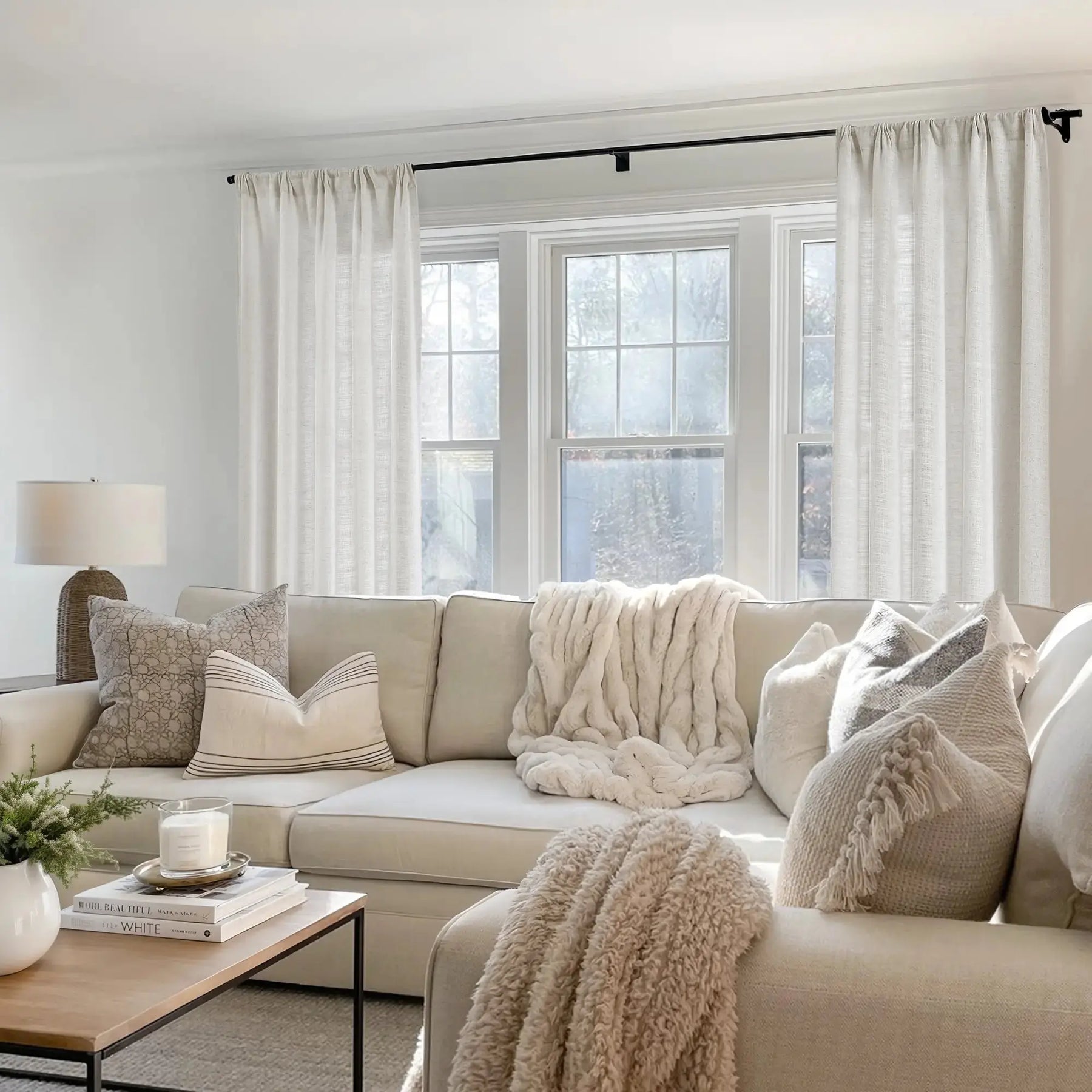 Pinch pleat headers are a classic choice, creating elegant and tailored folds suitable for more formal spaces. Envision pinch pleat curtains with their characteristic stitched pleats at the top, creating a luxurious drape. Tab top headers offer a relaxed and often farmhouse or cottage-style aesthetic. Visualize tab top curtains with their fabric loops hanging from a rustic wooden rod. Back tab headers create a clean and sophisticated look, as the tabs are hidden and the curtains hang in soft waves. Imagine back tab curtains with their smooth, flowing appearance and concealed hardware. Ripple fold headers provide a sleek and modern appearance with continuous S-shaped curves, often used with a track system. Picture ripple fold drapery hanging in elegant, consistent waves. The selection of the header style should align with the room’s décor and the desired level of formality and functionality.
Top Window Curtains: Reviews, Recommendations, and Buy Links
Here are some highly-rated and popular window curtain options available now, catering to a variety of needs and styles:
- NICETOWN Thermal Insulated Blackout Grommet Curtains
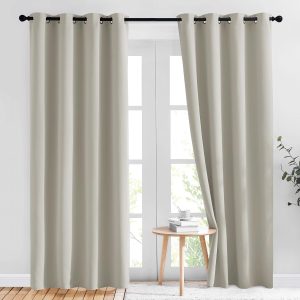
- Material: Polyester
- Opacity: Blackout
- Header Style: Grommet
- Recommended Use: Bedroom, Living Room (for blackout)
- Review: Reviewers praise their effectiveness in blocking out light and their thermal insulation properties. They are recommended for bedrooms and living rooms where complete darkness is desired. The grommet top makes them easy to hang and slide.
- Buy Links: https://amzn.to/4m1FMUC
- OWENIE White Sheer Curtains
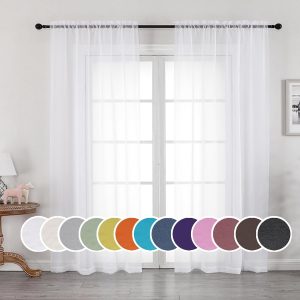
- Material: Polyester (Voile)
- Opacity: Sheer
- Header Style: Rod Pocket
- Recommended Use: Living Room, Bedroom (for light filtering & airy look)
- Review: These sheer voile curtains with a rod pocket are a popular choice for those wanting to filter light and add an airy touch to their space. They are well-regarded for their quality and delicate appearance. They are best suited for living rooms and bedrooms where privacy is not the primary concern.
- Buy Links: https://amzn.to/4jzvMQY
- BGment Blackout Curtains for Bedroom (Navy Blue)
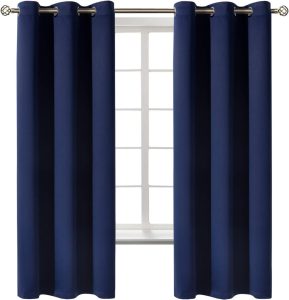
- Material: Polyester
- Opacity: Blackout
- Header Style: Grommet
- Recommended Use: Bedroom, Kids’ Room (for room darkening)
- Review: These grommet blackout curtains are specifically popular for kids’ rooms. They are praised for their ability to block sunlight and their thermal insulation. The navy blue color is a popular choice for boys’ rooms.
- Buy Links: https://amzn.to/44mQ5MX
- Joydeco Natural Linen Blackout Curtains
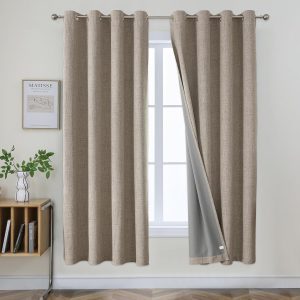
- Material: Linen
- Opacity: Blackout
- Header Style: Back Tab/Rod Pocket
- Recommended Use: Bedroom, Living Room (for natural look & blackout)
- Review: These curtains offer the aesthetic appeal of natural linen with the functionality of blackout lining. They have a back tab and rod pocket option for hanging. They are recommended for those seeking a natural look with complete light blocking in bedrooms and living rooms.
- Buy Links: https://amzn.to/4cZMF4O
- H.VERSAILTEX Linen 100% Blackout Curtains
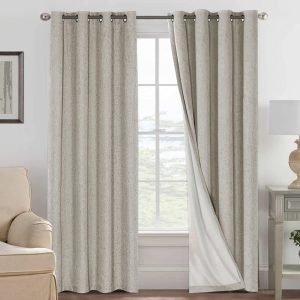
- Material: Linen
- Opacity: Blackout
- Header Style: Grommet
- Recommended Use: Bedroom, Living Room (for textured look & blackout)
- Review: These linen blackout curtains with a grommet top provide a textured look while ensuring 100% light blockage. They are a popular choice for bedrooms and living rooms. Reviewers appreciate their quality and effectiveness.
- Buy Links: https://amzn.to/3Yqp7QM
- MIULEE 100% Blackout Linen Textured Curtains
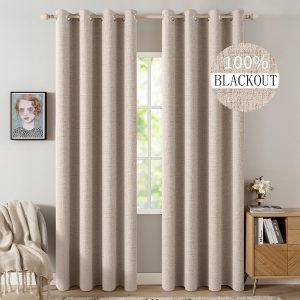
- Material: Linen
- Opacity: Blackout
- Header Style: Grommet
- Recommended Use: Bedroom, Nursery (for linen texture & full darkness)
- Review: These grommet blackout curtains feature a linen texture and are designed for maximum light blocking, making them suitable for bedrooms and nurseries. Reviewers note their luxurious feel and effectiveness in darkening rooms.
- Buy Links: https://amzn.to/4d85oLS
- Simplebrand Ava Sage Green Blackout Curtains
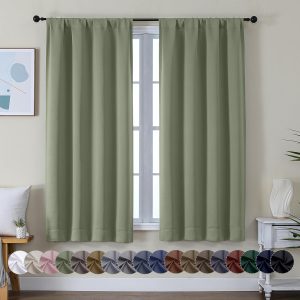
- Material: Polyester
- Opacity: Blackout
- Header Style: Rod Pocket
- Recommended Use: Bedroom, Guest Room (for simple blackout)
- Review: These rod pocket blackout curtains in sage green are a simple and effective solution for room darkening. They are a budget-friendly option for bedrooms and guest rooms. The rod pocket design offers a more traditional look.
- Buy Links: https://amzn.to/4miSYoD
- RYB Velvet Curtains Room Darkening Drapes
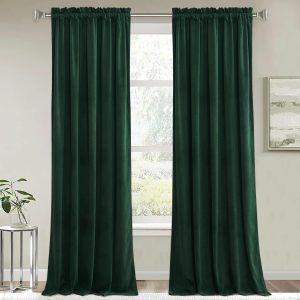
- Material: Velvet
- Opacity: Room Darkening
- Header Style: Grommet/Rod Pocket/Tabs
- Recommended Use: Living Room, Bedroom (for luxurious look)
- Review: These velvet curtains come in various colors and offer a room-darkening effect with a luxurious feel. They have multiple hanging options (grommet, rod pocket, and tabs) and are praised for their elegant drape and ability to reduce light and noise. Reviews indicate they elevate the look of any room, particularly bedrooms and living rooms.
- Buy Links: https://amzn.to/4lZ7lOw
- Amazon Basics Portable Blackout Curtain Shade with Suction Cups
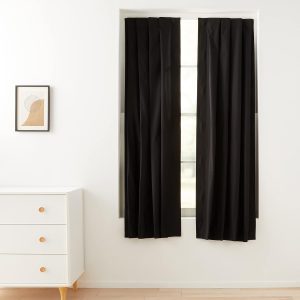
- Material: Polyester
- Opacity: Blackout
- Header Style: Suction Cups
- Recommended Use: Travel, Temporary Use, Nursery
- Review: This portable blackout curtain is ideal for travel, temporary use, or nurseries where a quick and easy blackout solution is needed. It comes as a 2-pack and attaches with suction cups. While primarily functional, it offers a convenient way to block light in various situations.
- Buy Links: https://amzn.to/44iWzfG
- LAMIT Natural Ivory Semi Sheer Linen Curtains
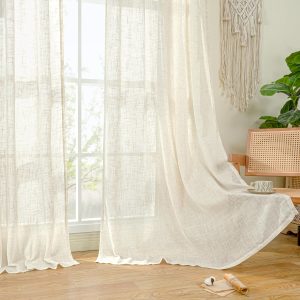
- Material: Linen
- Opacity: Semi-Sheer
- Header Style: Back Tab/Rod Pocket
- Recommended Use: Living Room, Dining Room (for light filtering)
- Review: These semi-sheer linen curtains with a back tab and rod pocket offer light filtering and a natural look. They are recommended for living rooms and dining rooms where soft light and a touch of privacy are desired. The linen material adds a touch of elegance.
- Buy Links: https://amzn.to/3ET7t1h


