


A mattress pad serves as a valuable addition to any bed, offering a subtle yet significant layer of comfort and protection. Designed to lie directly atop the mattress and beneath the fitted sheet, its primary function is to enhance the sleep experience by providing a touch of extra cushioning while also safeguarding the underlying mattress from everyday wear and tear, minor spills, and body oils. While often grouped with mattress toppers and protectors, the mattress pad has its own distinct purpose and set of benefits, making it an important consideration for those seeking to optimize their sleep environment. This guide will delve into the key aspects of selecting the ideal mattress pad, outlining the differences between pads, toppers, and protectors, exploring the crucial factors to consider during your selection process, providing tailored advice based on individual needs, and finally, presenting a curated list of ten highly-rated mattress pads available on Amazon, complete with reviews and direct purchase links.
Mattress Pad vs. Mattress Topper vs. Mattress Protector: Understanding the Differences
It is common for consumers to use the terms mattress pad, mattress topper, and mattress protector interchangeably, yet each product offers a unique set of features and benefits. Recognizing these distinctions is the first step in choosing the right bedding accessory for your specific needs.
A mattress pad is generally a thin, quilted layer, typically ranging from half an inch to two inches in thickness. It is designed to sit on top of the mattress and is secured with elastic edging, much like a fitted sheet. The primary role of a mattress pad is to provide a slight enhancement to the comfort of the mattress and offer a basic level of protection against minor spills, sweat, and general wear. The visual appearance is often that of a thin, quilted blanket conforming to the mattress with fitted edges.

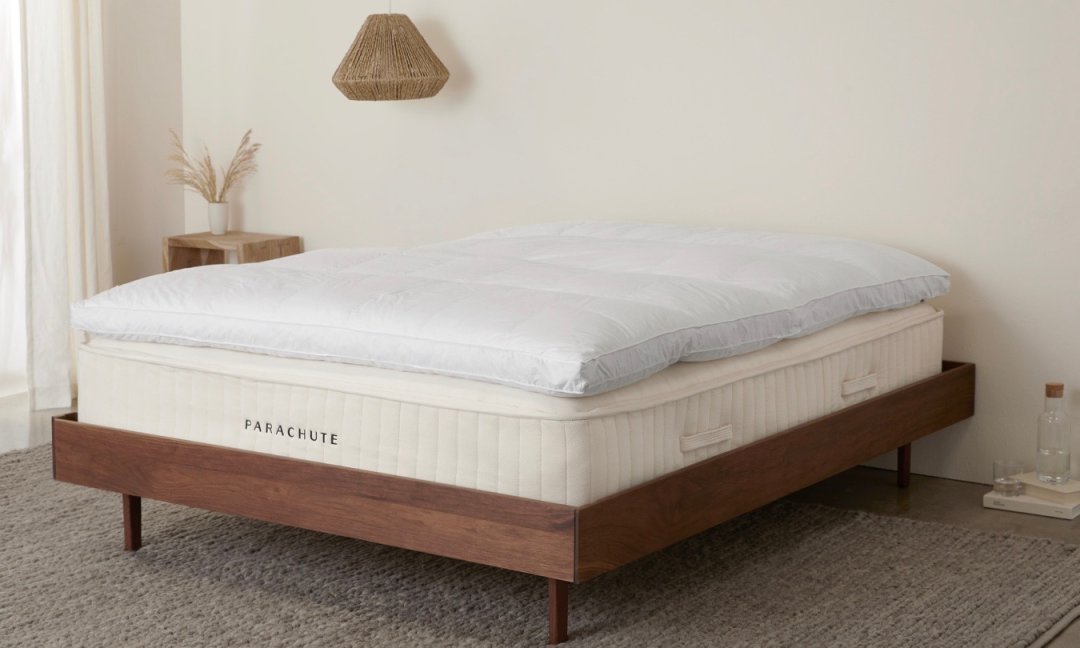
In contrast, a mattress topper is a much thicker layer, often ranging from two to four inches or even more. Placed directly on the mattress, its main purpose is to significantly alter the feel and support of the sleeping surface. Mattress toppers can be made from various materials like memory foam, latex, down, or down alternatives, each offering a distinct level of firmness or softness. While some toppers may have elastic to secure them, this is not always the case. Visually, a topper often resembles a thick slab of foam or a plush, comforter-like layer resting on the mattress.
A mattress protector is the thinnest of the three, designed with the primary goal of safeguarding the mattress itself. While some protectors may include a thin layer of padding, their main function is to create a barrier against spills, stains, allergens, dust mites, and even bed bugs. Mattress protectors often feature waterproof layers and hypoallergenic materials. They may fully encase the mattress or have a fitted sheet style with a protective top layer. The visual is typically a very thin layer, sometimes with a noticeable waterproof backing or a tightly woven fabric designed to prevent allergen penetration.

Key Considerations When Choosing a Mattress Pad
Selecting the right mattress pad involves careful consideration of several factors, each contributing to the overall comfort and functionality of the product.
- Material Types: The material of a mattress pad significantly influences its feel, breathability, and durability.
- Cotton: Known for its natural breathability and softness, cotton is a popular choice for mattress pads. It is also durable and typically easy to wash. However, cotton pads may not offer substantial cushioning and are not inherently waterproof unless treated. User reviews often highlight the comfortable feel of cotton.
- Polyester: A synthetic fiber, polyester is valued for its durability, hypoallergenic properties, and affordability. While comfortable, it may not be as breathable as cotton.
- Memory Foam: This material contours to the body, providing excellent pressure relief and adding a layer of softness. However, memory foam can sometimes trap heat and may have a noticeable odor initially.
- Down Alternative: Typically made from microfiber or polyfill, down alternative pads offer a soft and fluffy feel, similar to down, but are hypoallergenic and often machine washable. They may compress over time and offer less support than memory foam or latex.
- Latex: Known for its supportive and responsive nature, latex is also durable, breathable, and hypoallergenic. It tends to sleep cooler than memory foam but can be more expensive.
- Wool: A natural fiber, wool offers excellent temperature regulation, keeping you warm in winter and cool in summer. It is also naturally hypoallergenic, moisture-wicking, and odor-resistant. Wool pads can be pricier and may require specific cleaning methods.
- Bamboo: Often used in mattress pad covers, bamboo is known for its cooling properties and sustainability. It is also soft and breathable.
- Thickness and Plushness Levels: Mattress pads come in various thicknesses, influencing the degree of cushioning and support they provide. Thicker pads generally offer more plushness and can soften a firmer mattress. Side sleepers might prefer thicker options to alleviate pressure on their hips and shoulders.
- Support and Pressure Relief Features: Certain materials, particularly memory foam and latex, excel at providing support and relieving pressure points by contouring to the body. These features can be especially beneficial for individuals experiencing back pain or joint discomfort.
- Cooling Properties and Breathability: For those who tend to sleep hot, selecting a mattress pad made from breathable materials with cooling properties is crucial. Materials like latex, wool, bamboo, and gel-infused memory foam are known for their ability to regulate temperature and enhance airflow.
- Waterproof and Protection Capabilities: If protecting your mattress from spills and accidents is a primary concern, a waterproof mattress pad is an essential feature. These pads often have a waterproof layer to prevent liquids from seeping into the mattress.
- Hypoallergenic Options for Allergy Sufferers: Individuals with allergies should look for mattress pads made from hypoallergenic materials such as polyester, wool, latex, or down alternatives. These materials are less likely to harbor allergens like dust mites and pet dander.
- Thread Count and its Significance: For cotton mattress pads, the thread count, which refers to the number of threads woven into a square inch of fabric, can indicate the softness and durability of the pad. A thread count between 200 and 400 is generally considered ideal for a good balance of quality and softness.
- Proper Sizing and Mattress Depth: Ensuring the mattress pad fits your mattress correctly is vital for both comfort and protection. Pay attention to the stated mattress depth the pad can accommodate, especially if you have a thick mattress or use a topper.
- Budget Considerations: Mattress pads are available across a wide price range. Determine your budget beforehand and balance it with the features and materials that are most important to you. While higher-priced options may offer premium materials and advanced features, there are also many good value choices available.
How to Select the Ideal Mattress Pad Based on Your Needs
Your individual needs and preferences should guide your choice of mattress pad. Consider the following based on your sleeping style and specific concerns
- Sleeping Position:
- Side Sleepers: Often find thicker, softer mattress pads made of memory foam or down alternative provide the necessary cushioning to relieve pressure on their hips and shoulders.
- Back Sleepers: Typically require a balance of cushioning and support. Medium-thickness pads made of latex or memory foam can help maintain proper spinal alignment.
- Stomach Sleepers: Generally benefit from firmer, thinner pads to prevent their midsection from sinking excessively, which can lead to lower back pain.
- Specific Concerns:
- Overheating: If you tend to overheat at night, opt for cooling mattress pads made from breathable materials like latex, wool, bamboo, or gel-infused memory foam.
- Allergies: For allergy sufferers, hypoallergenic materials such as polyester, wool, latex, or down alternatives are recommended.
- Back Pain: Consider mattress pads made of memory foam or latex, as these materials offer good support and pressure relief, which can help alleviate back pain.
- Mattress Firmness: If your mattress is too firm, a thicker, plusher pad made of memory foam, down alternative, or thick cotton can add needed softness. Conversely, if your mattress is too soft and you desire more support, a thinner pad made of denser materials like firmer memory foam or latex might be a better choice.
Highly-Rated Mattress Pads Reviews and Recommendations
The following table summarizes ten highly-rated mattress pads available on Amazon, considering various needs and preferences:
- Ultra Soft Queen Size Mattress Topper – Viscose Made from Bamboo Pillow Top
- Material: Bamboo Viscose Cover, Polyester Fill
- Thickness: Pillow Top
- Key Features: Cooling, Soft, Machine Washable
- Best For: Hot Sleepers
- Amazon Buy Link: https://amzn.to/4iDg8D6
- EASELAND Queen Size Mattress Pad Pillow Top Mattress Cover
- Material: Cotton Top, Down Alternative Fill
- Thickness: Varies
- Key Features: Soft, Deep Pockets, Machine Washable
- Best For: Budget-Friendly Softness
- Amazon Buy Link: https://amzn.to/4lyjD02
- MATBEBY Queen Size Mattress Pad – Cooling Breathable Mattress Topper
- Material: Microfiber
- Thickness: Pillow Top
- Key Features: Cooling, Breathable, Deep Pockets, Soft
- Best For: Plush Comfort, Deep Mattresses
- Amazon Buy Link: https://amzn.to/4lEmVii
- Utopia Bedding Quilted Fitted Mattress Pad
- Material: Microfiber
- Thickness: Thin
- Key Features: Affordable, Good Fit, Machine Washable
- Best For: Budget Protection
- Amazon Buy Link: https://amzn.to/42CW9y7
- LINENSPA 2 Inch Gel Infused Memory Foam Mattress Topper
- Material: Gel-Infused Memory Foam
- Thickness: 2 inches
- Key Features: Affordable, Cooling, Pressure Relief
- Best For: Memory Foam on a Budget
- Amazon Buy Link: https://amzn.to/4lIDkSZ
- SLEEP ZONE Cooling Queen Mattress Topper
- Material: Microfiber with Cooling Technology
- Thickness: Varies
- Key Features: Zoned Cooling, Breathable, Deep Pockets
- Best For: Enhanced Cooling
- Amazon Buy Link: https://amzn.to/4lHZgxq
- Premium 100% Waterproof Mattress Protector
- Material: Bamboo Viscose & TPU Waterproof Membrane
- Thickness: Thin
- Key Features: Waterproof, Breathable, Noiseless
- Best For: Ultimate Waterproofing
- Amazon Buy Link: https://amzn.to/3ElzRZT
- LEISURE TOWN Mattress Pad Fitted Quilted Cotton Mattress Cover
- Material: 100% Cotton Top, Down Alternative Fill
- Thickness: Varies
- Key Features: Soft, Deep Pockets, Cooling, Machine Washable
- Best For: Cotton Comfort with Loft
- Amazon Buy Link: https://amzn.to/4jNGJyf
- Casper Mattress Topper
- Material: Memory Foam
- Thickness: 3 inches
- Key Features: Supportive, Durable, Expands Quickly
- Best For: Premium Support
- Amazon Buy Link: https://amzn.to/435awf9
- Sleep On Latex Pure Green Natural Latex Mattress Topper
- Material: 100% Natural Latex
- Thickness: 2 inches
- Key Features: Customizable Firmness, Durable, Breathable
- Best For: Durable, Natural Option
- Amazon Buy Link: https://amzn.to/42qgCHG
Conclusion: Making the Right Choice for a Better Night’s Sleep
Choosing the ideal mattress pad is a personal journey, and the best option will depend on your unique needs and preferences. By carefully considering the material, thickness, support features, cooling properties, protection capabilities, hypoallergenic qualities, thread count (for cotton), proper sizing, and your budget, you can make an informed decision that will enhance your sleep comfort and prolong the life of your mattress. Remember to read customer reviews and compare different products to find the mattress pad that perfectly aligns with your requirements, ultimately leading to a more restful and rejuvenating night’s sleep.


